
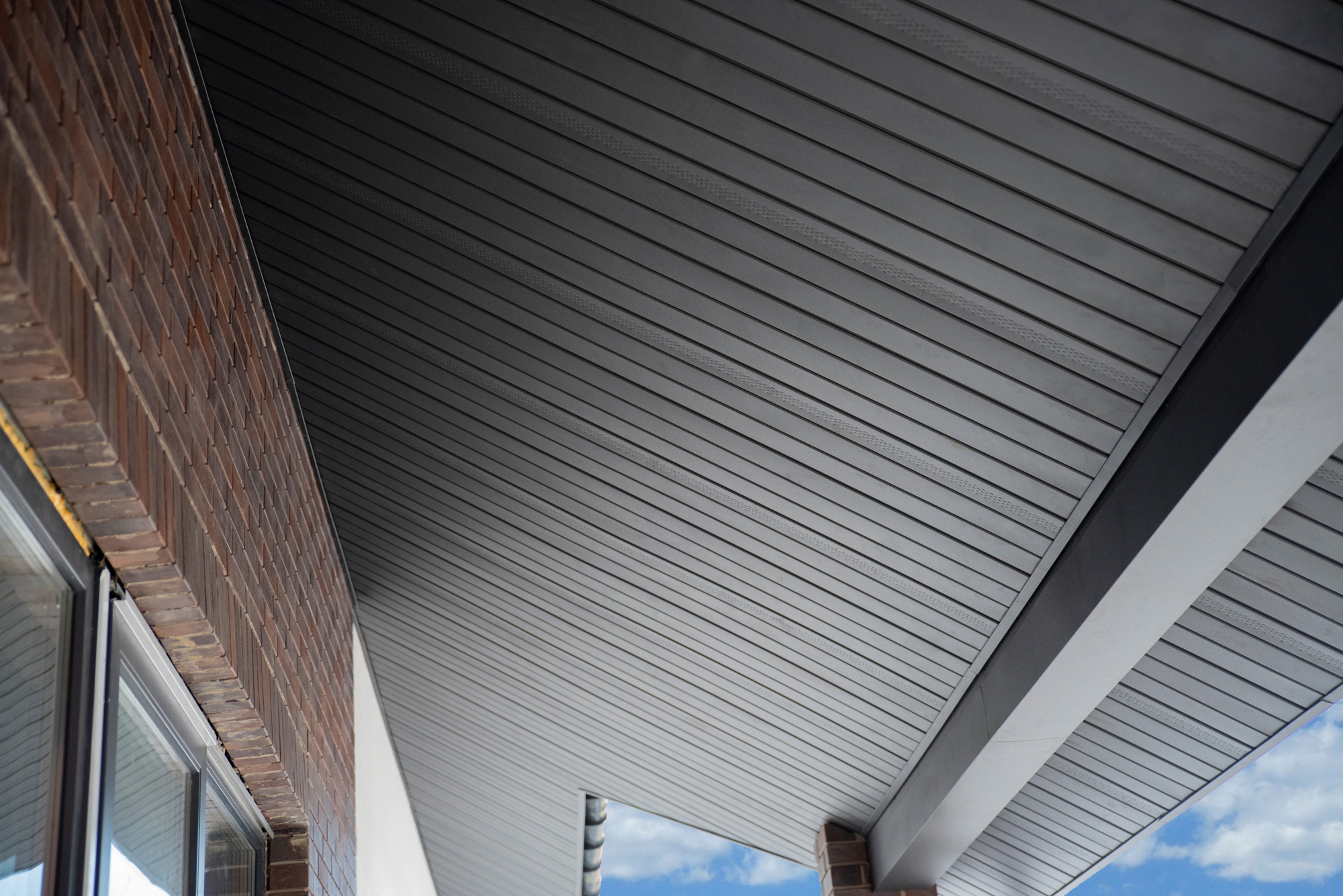
Ceilings have always played a key role in defining a room’s overall style and mood. That’s why design features like Artex patterns were so common in older homes. Today, you have even more choices when it comes to ceiling finishes — each offering its own aesthetic and functional benefits. Let’s take a closer look at six commonly used ceiling materials and what they offer.
1. Plaster
Plaster is one of the most traditional and widely used ceiling materials. It’s a cost-effective option that works well for both modern and classic interiors. Whether you opt for traditional wet plaster or gypsum board, it allows for custom finishes and can be painted in any colour.
Advantages:
- Budget-friendly
- Customizable with paint or texture
- Offers decent thermal and sound insulation
Limitations:
- Not suitable for damp areas (e.g., bathrooms, kitchens)
- Prone to cracks and may require ongoing maintenance
2. PVC Panels
PVC ceiling panels are a modern alternative known for their wide range of designs and moisture resistance. They are especially practical for areas with high humidity, and many designs mimic natural finishes like wood or marble.
Advantages:
- Easy to install and clean
- Moisture-resistant
- Available in various styles
Limitations:
- Lacks proper sound and heat insulation
- Not fire-resistant
3. Concrete
Though less common, concrete can be used creatively as a ceiling finish. Thin concrete panels are popular in industrial and contemporary designs and provide excellent insulation.
Advantages:
- Great thermal and acoustic performance
- Stylish, industrial look
- Durable
Limitations:
- Heavy; requires strong structural support
- Can be expensive
4. Metal Ceilings
Metal panels are not only used on exteriors — they’re increasingly used indoors for their sleek, modern appeal. They come in various textures and finishes, and are ideal for damp or sterile environments.
Advantages:
- Resistant to moisture, mould, and bacteria
- Available in a variety of finishes
- Low maintenance
Limitations:
- Poor heat and sound insulation
- May corrode in coastal environments
5. Timber
Wood ceilings are popular for their natural warmth and elegance. They create a cosy atmosphere and suit a wide range of design styles, from modern rustic to tropical.
Advantages:
- Sustainable and natural aesthetic
- Great for tropical and rustic themes
Limitations:
- Not highly durable
- Limited fire resistance
- Requires regular upkeep